
Server-Side Tracking Explained: Why Your Ad Data Is Lying After iOS 14
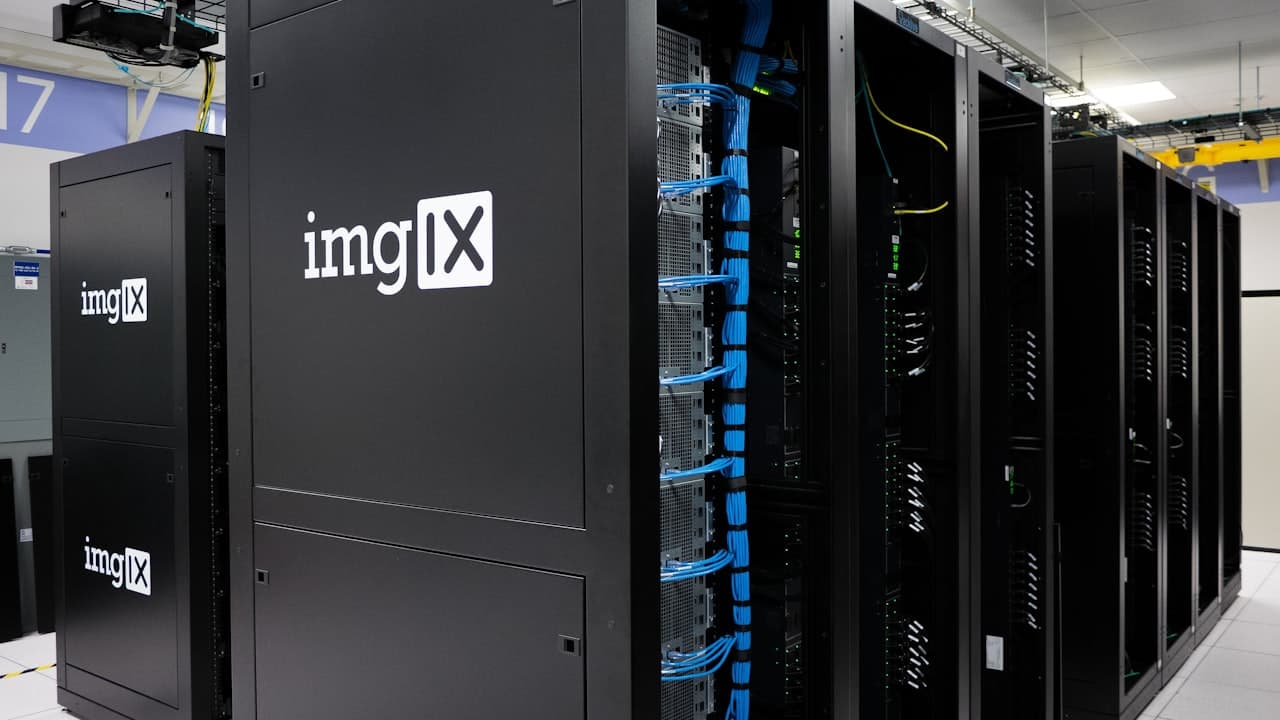
Server-side tracking sends conversion events from your own web server — not the visitor's browser — directly to ad platforms like Meta and Google. Because the data bypasses ad blockers, Safari ITP, and iOS 14 restrictions, it typically recovers 20–40% of conversions that client-side tracking silently drops. More complete data means the ad algorithm finds better buyers at lower cost.
- ✓iOS 14, ITP, and ad blockers now hide 20–40% of real conversions from your ad platform — your CRM knows the truth.
- ✓Server-side tracking sends events from your server, so the data survives every browser-level block.
- ✓Meta Conversions API and GA4 server-side tagging are the two pieces most businesses need first.
- ✓Restoring the missing data re-trains the ad algorithm — in one account it cut CPL from $220 to $34 in eight weeks.
When the dashboard lies to you
A SaaS client came to me convinced their Meta campaigns had collapsed. Reported cost-per-lead had jumped 60% in three months and they were about to cut the budget. When I dug into the setup, the pixel was firing on barely 62% of actual conversions — iOS 14 and Safari ITP were silently eating the rest. The campaigns weren't underperforming. The measurement was broken. Their ad algorithm had spent months optimising toward the wrong people because it couldn't see the full picture of who actually converted.
Apple's iOS 14.5 update forced apps to ask permission before tracking. Most users said no. Safari and Firefox tightened cookie caps around the same time, and ad blockers kept spreading. The browser pixel that powered Meta and Google reporting for a decade went partially blind — and it's still blind for most accounts that haven't patched it.
How server-side tracking fixes it
Instead of relying on the visitor's browser, server-side tracking fires the conversion event from your own server and sends it directly to the ad platform's API. There's no browser blocker in the path. No ITP cookie cap. The data arrives.
- Meta Conversions API (CAPI): sends purchases, leads, and custom events straight to Meta — even when the browser pixel fires nothing.
- GA4 server-side tagging: routes analytics through a server container so ad blockers can't intercept it.
- Event deduplication: browser pixel and server event fire together; matching logic prevents double-counting.
What it does to actual performance
Fixing the data gap doesn't just clean up reports. It re-trains the algorithm on complete signal. When Meta can see who actually converted — not just the 62% it could see before — it gets dramatically better at finding more of them. After the SaaS client above recovered their missing conversions, cost-per-lead fell from $220 to $34 over eight weeks. Same budget, no new creative. Just complete data feeding the machine.
Incomplete tracking isn't a reporting problem — it's a targeting problem. The algorithm optimises toward whoever it can see, and that's rarely your best customer.
Do you actually need it?
If you spend more than a few thousand dollars a month on Meta or Google and your reported conversions look lower than your CRM or Stripe says they should — yes, and urgently. The setup pays back fast: every month of cleaner data makes the algorithm smarter, compounding the gain.
Is server-side tracking legal and privacy-compliant?
Yes, when implemented correctly. You still need consent and should hash personal identifiers before sending. Done right it's actually more privacy-respecting than the old pixel because you control exactly what data leaves your server — you're not handing raw browser data to a third-party script.
Does server-side tracking replace the Meta Pixel?
No — it complements it. The strongest setup runs the browser pixel and the Conversions API together with event deduplication. You capture the maximum signal without double-counting, and the two streams cross-validate each other.
How long does a server-side tracking setup take?
A standard Meta CAPI + GA4 server-side build takes one to two weeks depending on your platform and how many events you track. The data quality improvement shows up within days of going live — watch your event match quality score in Meta Events Manager.

Want this kind of system built for your business? Let's talk — the first call is free, no pressure.